The year 2024 has brought a multitude of challenges and crises across the globe, making it imperative to understand the current emergency and safety scenarios. From natural disasters to human-made crises, the world is increasingly confronted with situations that demand rapid and effective responses. As we navigate through these turbulent times, emergency preparedness and access to reliable safety tools have become more critical than ever.

Global Natural Disasters
In 2024, the world has witnessed an increase in the frequency and intensity of natural disasters. Climate change continues to exacerbate extreme weather events such as hurricanes, wildfires, floods, and earthquakes. Countries like the United States, Australia, and parts of Europe have seen devastating wildfires that have displaced thousands of people and destroyed vast areas of land. Meanwhile, regions in Southeast Asia and the Caribbean have faced catastrophic hurricanes and typhoons, leading to significant loss of life and property.
The impact of these natural disasters has highlighted the urgent need for robust emergency management systems. Governments and organizations around the world are focusing on enhancing disaster response strategies, improving early warning systems, and increasing public awareness about emergency preparedness.
Human-Made Crises and Conflicts
In addition to natural disasters, 2024 has been marked by ongoing conflicts and human-made crises in various parts of the world. Political instability, armed conflicts, and terrorism continue to pose significant threats to global safety. Countries in the Middle East, Africa, and Eastern Europe remain hotspots for violence and displacement, with millions of people fleeing their homes in search of safety.
These crises have put immense pressure on international humanitarian organizations, which are struggling to provide adequate support to those affected. The need for effective communication and coordination in emergency situations has never been more apparent, as timely interventions can save lives and alleviate suffering.
Health Emergencies
The aftermath of the COVID-19 pandemic still lingers in 2024, with countries around the world continuing to grapple with the health and economic impacts of the virus. In addition to COVID-19, other infectious diseases such as Ebola, dengue, and the resurgence of polio in some regions have posed significant health threats.
Public health emergencies require swift action, and the global community has learned the importance of preparedness, including the need for robust healthcare infrastructure, vaccination campaigns, and public health education. The role of technology in managing health emergencies has also grown, with digital tools being used for contact tracing, telemedicine, and disseminating critical information.
The Role of Technology in Emergency Preparedness
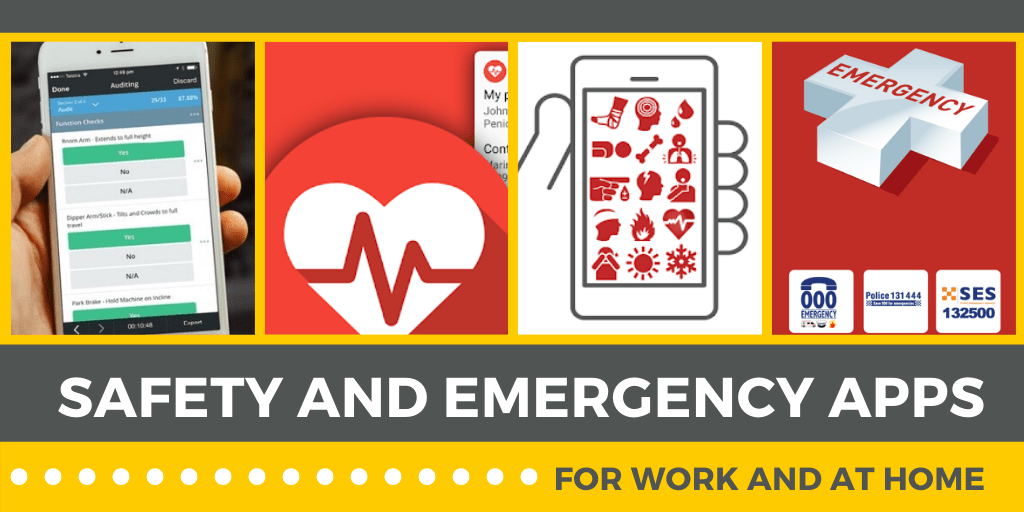
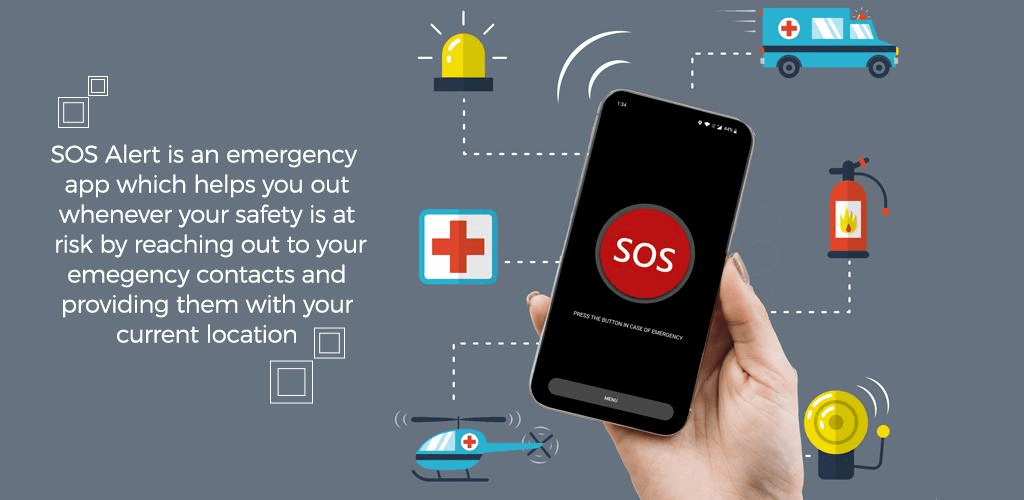
As the world faces increasingly complex emergencies, technology has become an indispensable tool in managing and mitigating crises. Emergency apps, in particular, have emerged as a crucial component of personal and public safety. These apps provide users with essential features such as real-time alerts, location tracking, and direct communication with emergency services.
The widespread adoption of smartphones and the internet has enabled people to access these apps with ease, making them an integral part of modern-day emergency preparedness. Whether it’s during a natural disaster, a health emergency, or a personal safety threat, having an emergency app on your phone can be a lifesaver.

Top 5 Emergency Apps in 2024
As we reflect on the global emergency and safety scenarios, here are the top five emergency apps that have proven to be invaluable tools for people around the world:
- Emergency App Ultra
- Brief: A comprehensive emergency app offering real-time location tracking, SOS alerts, and offline functionality.
- bSafe
- Brief: Provides voice-activated SOS, location tracking, and the ability to have friends virtually follow you for safety.
- FEMA App
- Brief: The official app of the Federal Emergency Management Agency, offering weather alerts and disaster preparedness tips.
- Noonlight
- Brief: Features a “Hold Until Safe” function that alerts authorities if released without a safety PIN.
- SirenGPS
- Brief: Connects users directly to emergency services and stores critical medical information for first responders.
Conclusion
The world in 2024 is fraught with emergencies that require immediate attention and action. From natural disasters to health crises and human-made conflicts, the need for reliable emergency preparedness tools has never been greater. As individuals and communities, being equipped with the right resources, such as emergency apps, is crucial for ensuring safety and well-being in the face of danger.
Emergency apps have become an essential part of our safety toolkit, providing us with the ability to react swiftly and effectively during critical moments. As we continue to face the uncertainties of the future, these apps will play a vital role in protecting lives and helping people navigate through emergencies with confidence.

 Emergency & Personal Safety
Leave a comment