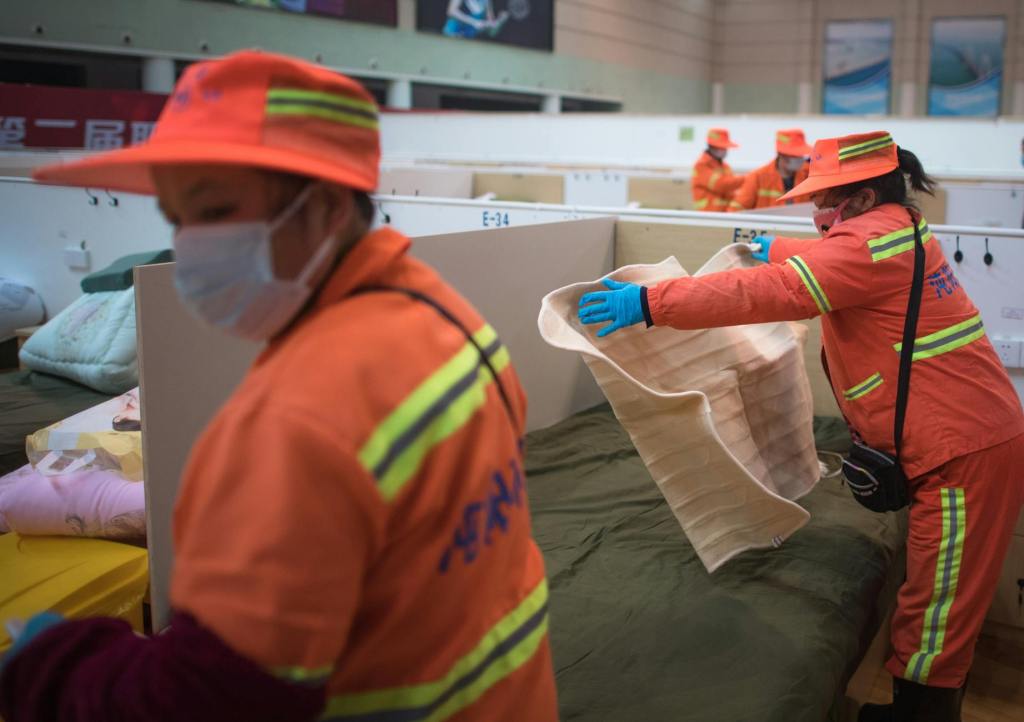
Emergencies can happen at any time, often without warning, and can range from natural disasters to medical crises. Knowing what to do in an emergency situation can be the difference between life and death. This comprehensive guide will cover key steps and tips for various types of emergencies to help you stay prepared.
Introduction
- Importance of Emergency Preparedness
- Understanding the unpredictability of emergencies.
- The necessity of quick thinking and swift action.
- Statistics on how preparedness can save lives.
General Emergency Preparedness
- Creating an Emergency Plan
- Importance of having a family emergency plan.
- Steps to develop an emergency plan tailored to your needs.
- Regularly updating and practicing the plan.
- Emergency Kit Essentials
- Items to include in an emergency kit (food, water, medical supplies, important documents).
- How to customize your kit for different emergencies (e.g., natural disasters, car breakdowns).
- Maintaining and updating the kit regularly.

What to Do During a Natural Disaster
- Earthquakes
- How to identify the safest places in your home or office.
- Steps to take during an earthquake: Drop, Cover, and Hold On.
- What to do immediately after the shaking stops.
- Floods
- Understanding flood warnings and evacuation orders.
- Steps to take if you’re caught in a flood: moving to higher ground, avoiding floodwaters.
- Importance of having flood insurance and knowing your area’s flood risk.
- Hurricanes and Tornadoes
- Preparing your home and family for a hurricane or tornado.
- Understanding the difference between watches and warnings.
- Steps to take if a hurricane or tornado is imminent: securing your home, finding safe shelter.
- Wildfires
- Preparing your home to reduce wildfire risks.
- Evacuation plans and routes.
- Steps to take if caught in a wildfire: staying low, using a mask or cloth to filter smoke.

Medical Emergencies
- Heart Attacks
- Recognizing the symptoms: chest pain, shortness of breath, nausea.
- Immediate actions: calling 911, administering CPR if necessary.
- Importance of knowing CPR and using an Automated External Defibrillator (AED).
- Strokes
- FAST acronym for recognizing a stroke: Face drooping, Arm weakness, Speech difficulty, Time to call 911.
- Importance of immediate medical attention.
- Long-term stroke prevention tips.
- Choking
- How to perform the Heimlich maneuver on adults and children.
- Steps to take if you’re alone and choking.
- Preventive measures to avoid choking incidents.
- Severe Bleeding
- How to stop bleeding: applying pressure, using a tourniquet if necessary.
- When to seek emergency medical help.
- Importance of having a first aid kit with proper supplies.

Emergency Situations on the Road
- Car Accidents
- Steps to take immediately after an accident: checking for injuries, calling for help, documenting the scene.
- Importance of having car insurance and knowing what your policy covers.
- What to do if you’re involved in a hit-and-run or if the other driver is uninsured.
- Breaking Down on a Highway
- Safety tips for pulling over and staying visible.
- Steps to take if you’re stranded: calling for roadside assistance, staying in your vehicle.
- Importance of having an emergency kit in your car.
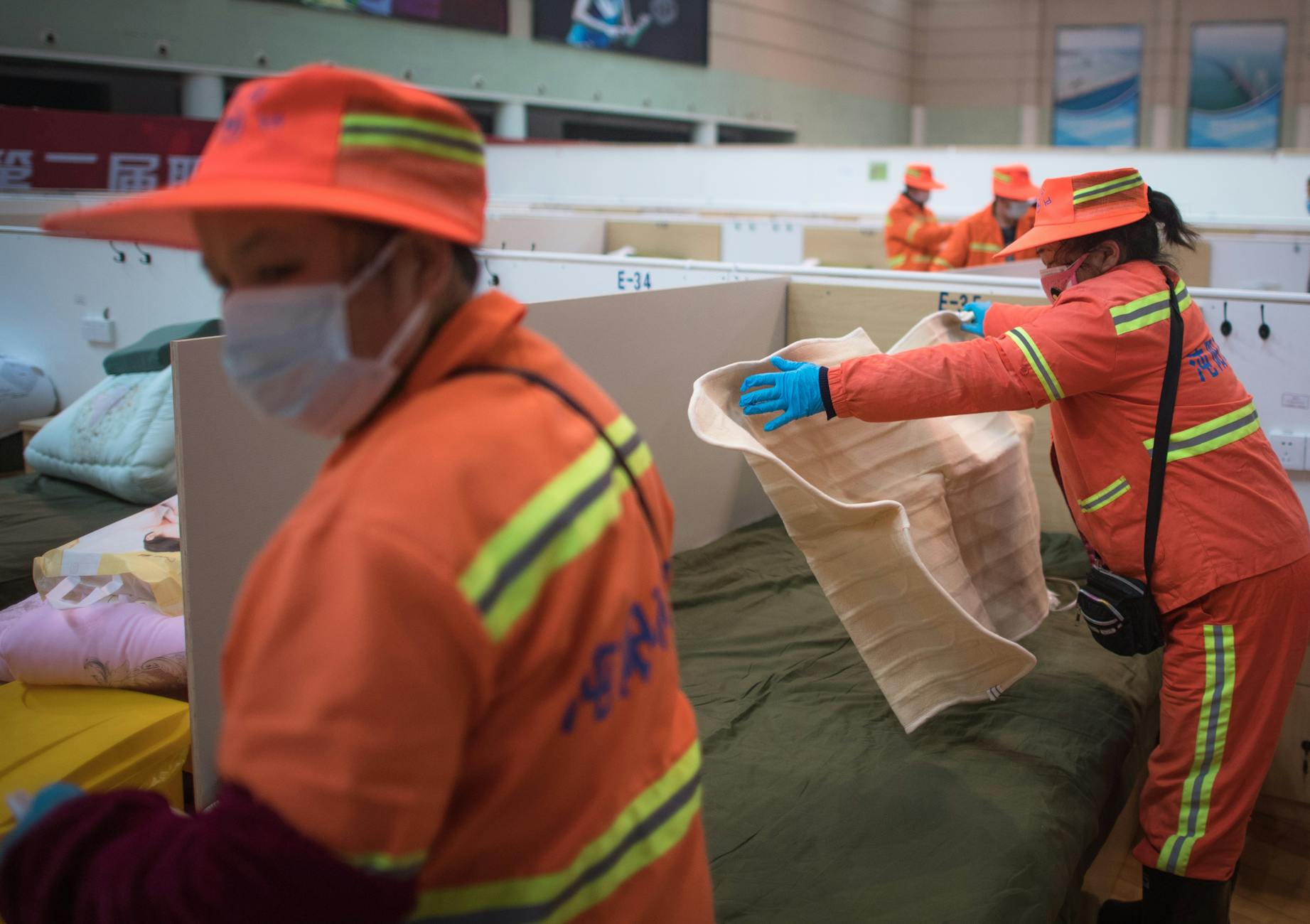
Home Emergencies
- Fires
- Importance of smoke alarms and fire extinguishers in the home.
- Steps to take during a fire: getting low, using escape routes, covering your nose and mouth.
- What to do if you’re trapped in a room: sealing the room, signaling for help.
- Gas Leaks
- Recognizing the signs of a gas leak: smell of gas, hissing sounds.
- Immediate actions to take: evacuating the area, not using electrical devices, calling the gas company.
- Preventive measures: regular inspections, knowing where your gas shut-off valve is located.
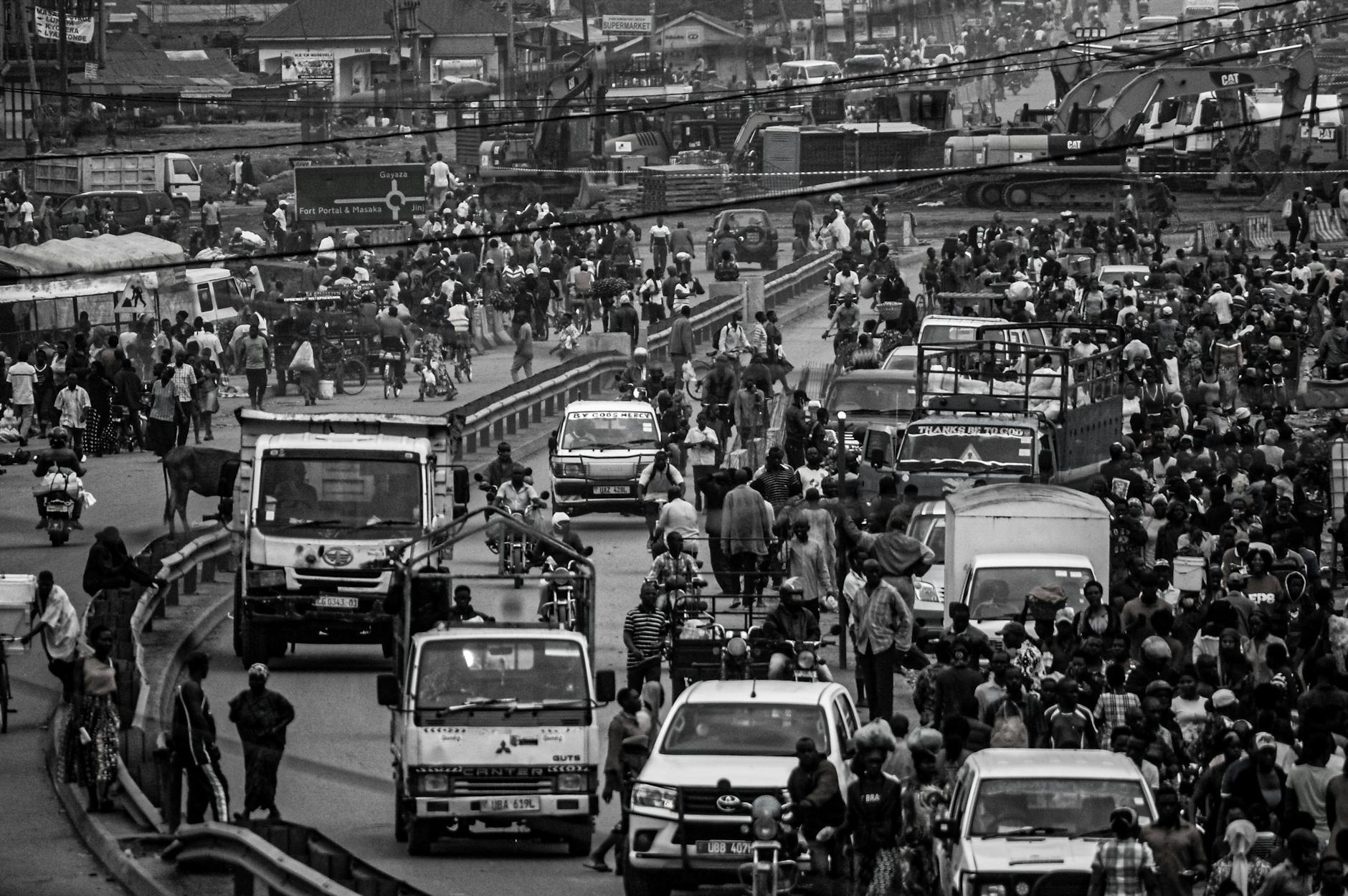
Public Emergencies
- Active Shooter Situations
- RUN, HIDE, FIGHT: steps to take during an active shooter event.
- Importance of staying calm and following law enforcement instructions.
- What to do if you’re injured or witness injuries.
- Terrorist Attacks
- Staying informed about threats and avoiding high-risk areas.
- Steps to take if you’re caught in a terrorist attack: finding shelter, helping the injured, staying informed through reliable sources.
- Importance of not spreading misinformation or rumors.

Psychological First Aid
- Helping Others in Distress
- Importance of psychological first aid: calming others, providing comfort, assessing needs.
- Recognizing the signs of shock or trauma in others.
- How to help someone experiencing a panic attack or acute stress.
- Self-Care During and After Emergencies
- Importance of managing your own mental health during emergencies.
- Tips for coping with stress and anxiety after a traumatic event.
- When to seek professional help for mental health concerns.
Conclusion
- The Importance of Training and Awareness
- Encouraging readers to take first aid and CPR courses.
- Importance of staying informed about local hazards and risks.
- Final thoughts on being proactive and prepared for any emergency.
10 frequently asked questions (FAQs) related to the topic of “What to Do in Emergency Situations?”
1. What should be included in a basic emergency kit?
- Answer: A basic emergency kit should include water (one gallon per person per day for at least three days), non-perishable food, a battery-powered or hand-crank radio, a flashlight with extra batteries, a first aid kit, a whistle, dust masks, moist towelettes, wrench or pliers, a manual can opener, local maps, a cell phone with chargers, and necessary medications.
2. How can I create an effective family emergency plan?
- Answer: An effective family emergency plan should include a communication strategy, meeting points, evacuation routes, and a list of emergency contacts. Practice the plan regularly, and ensure that everyone in the family knows what to do in different types of emergencies.
3. What steps should I take during an earthquake?
- Answer: During an earthquake, drop to your hands and knees, cover your head and neck with your arms, and hold on to a sturdy piece of furniture. Stay indoors until the shaking stops and it is safe to exit. Avoid windows, hanging objects, and furniture that could topple over.
4. How do I recognize and respond to a heart attack?
- Answer: Symptoms of a heart attack include chest pain, shortness of breath, nausea, and pain in the arms, neck, jaw, or back. If you suspect a heart attack, call emergency services immediately. Administer aspirin if the person is not allergic, and begin CPR if the person becomes unresponsive.
5. What are the key actions to take if someone is choking?
- Answer: If someone is choking and cannot breathe, perform the Heimlich maneuver by standing behind the person, placing your arms around their waist, making a fist, and thrusting it inward and upward below their ribcage. For infants, alternate back blows and chest thrusts.
6. What should I do if I’m caught in a flood?
- Answer: If you’re caught in a flood, move to higher ground immediately. Avoid walking or driving through floodwaters, as just six inches of moving water can knock you down, and a foot can sweep your vehicle away. Listen to emergency broadcasts for updates and evacuation instructions.
7. How can I help someone who is in shock?
- Answer: To help someone in shock, lay them down and elevate their feet about 12 inches unless you suspect a head, neck, or back injury. Keep the person warm and comfortable, and do not give them anything to eat or drink. Seek emergency medical assistance immediately.
8. What is the proper way to respond to a fire in the home?
- Answer: In a home fire, get out immediately, closing doors behind you to slow the spread of fire. Use the stairs, not the elevator. If your escape route is blocked, seal the room you are in and signal for help. Call emergency services once you are safe.
9. What should I do if there’s a gas leak in my home?
- Answer: If you smell gas or suspect a leak, leave the area immediately. Do not use electrical devices, light switches, or phones, as they could ignite the gas. Once you are at a safe distance, call the gas company and emergency services.
10. How can I prepare my car for emergencies?
- Answer: To prepare your car for emergencies, keep an emergency kit that includes water, non-perishable snacks, a flashlight, a first aid kit, blankets, jumper cables, a tire repair kit, flares, a portable phone charger, and a map. Regularly maintain your vehicle to avoid breakdowns.

 Emergency & Personal Safety
Leave a comment