
Emergencies are often unpredictable, striking without warning and leaving individuals and communities scrambling to respond. Whether it’s a natural disaster, a sudden medical crisis, or a man-made catastrophe, being prepared is essential to ensure safety and minimize the impact of such events. In this comprehensive article, we will explore the importance of emergency preparedness, the key steps you can take to protect yourself and your loved ones, and how to develop a solid plan that can be implemented when disaster strikes.

Understanding the Importance of Emergency Preparedness
Emergency preparedness is not just a buzzword; it’s a critical aspect of life that can mean the difference between life and death in certain situations. Despite advancements in technology and infrastructure, the world remains vulnerable to a wide range of emergencies, including natural disasters like earthquakes, floods, hurricanes, and wildfires, as well as health crises such as pandemics, and accidents or attacks that can happen in everyday life.
Preparedness involves more than just having a few supplies on hand. It requires a proactive approach to understanding potential risks, planning for different scenarios, and practicing responses to emergencies. The goal of emergency preparedness is to reduce the immediate impact of a disaster, protect lives, and ensure a quicker recovery process.
Developing an Emergency Preparedness Plan
The foundation of emergency preparedness is a well-thought-out plan. Here’s how you can create one:
1. Assess the Risks
Every region has its unique risks. For example, those living in coastal areas may be more prone to hurricanes, while those in mountainous regions might face landslides. Understanding the specific risks in your area is the first step in being prepared.
- Research Local Hazards: Identify the most likely natural and man-made disasters in your area. For instance, if you live in California, you should be well-versed in earthquake preparedness. If you’re in the Midwest, tornadoes might be your primary concern.
- Consider Your Environment: Consider your immediate environment, such as whether you live near a floodplain, an industrial area, or a major highway, all of which can influence the types of emergencies you may face.
2. Create a Communication Plan
In an emergency, communication is crucial. You need to have a plan in place for how you will contact your family, friends, and emergency services.
- Family Communication Plan: Designate a meeting place outside your home and another one outside your neighborhood in case you’re separated during an emergency. Ensure every family member knows these locations.
- Emergency Contacts: Keep a list of emergency contacts in your phone and a hard copy in your wallet. Include local emergency numbers, family members, neighbors, and any other important contacts.
- Out-of-Area Contact: Designate someone out-of-area whom everyone can contact to relay information, as local phone lines might be overwhelmed.
3. Build an Emergency Kit
An emergency kit is a collection of basic items your household may need in the event of an emergency. This kit should be easily accessible and include:
- Water: At least one gallon per person per day for at least three days.
- Food: A three-day supply of non-perishable food items.
- First Aid Kit: Include bandages, antiseptics, and any prescription medications.
- Tools and Supplies: Flashlight, batteries, multi-tool, whistle, dust masks, plastic sheeting, and duct tape.
- Personal Items: Copies of personal documents, family and emergency contact information, extra cash, and maps of the area.
- Clothing and Bedding: Extra clothing, sturdy shoes, blankets, and sleeping bags.
- Sanitation and Hygiene: Toilet paper, moist towelettes, soap, hand sanitizer, and feminine supplies.
- Baby and Pet Supplies: Include items for infants and pets if applicable.
4. Know the Evacuation Routes
In case of a large-scale emergency, such as a wildfire or hurricane, knowing how to evacuate your area safely is critical.
- Evacuation Plans: Know the evacuation routes in your area and have multiple options in case one route is blocked.
- Transportation: Ensure your vehicle is in good condition and always has at least half a tank of gas. If you don’t own a vehicle, arrange alternative transportation in advance.
- Shelter Locations: Familiarize yourself with local shelters and other safe locations where you can go during an emergency.
5. Practice, Practice, Practice
Having a plan is just the first step; practicing that plan is essential to ensure everyone knows what to do when an emergency strikes.
- Regular Drills: Conduct regular drills for fire, earthquake, and other emergencies. Include scenarios where communication methods fail, or evacuation routes are blocked.
- Review and Update: Periodically review and update your plan and emergency kit, especially if your family situation changes, such as the birth of a child or relocation.
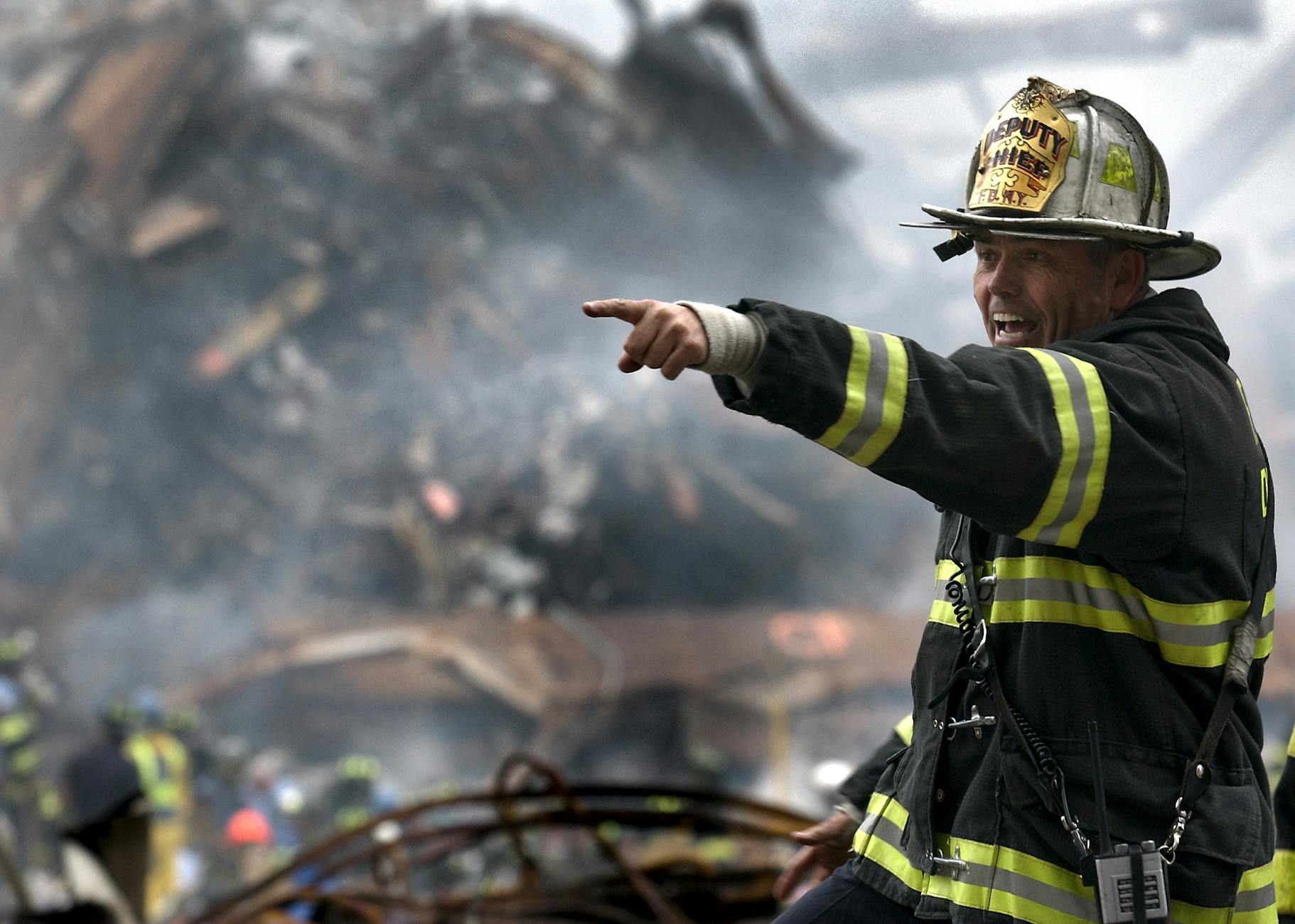
Specific Emergency Scenarios and How to Prepare
Different types of emergencies require different preparations. Below, we discuss some common scenarios and how you can prepare for them.
Natural Disasters
Natural disasters are among the most common and devastating emergencies. Here’s how to prepare for specific types of natural disasters:
Earthquakes
Earthquakes strike without warning, making it crucial to be prepared at all times.
- Secure Your Home: Anchor heavy furniture, secure water heaters, and install safety latches on cabinets. Know how to shut off your utilities.
- During an Earthquake: Drop, cover, and hold on. Get under a sturdy table or against an interior wall away from windows.
- After an Earthquake: Check for injuries and damages. Be prepared for aftershocks and avoid using the phone unless it’s an emergency.
Floods
Floods can occur due to heavy rains, overflowing rivers, or storm surges.
- Prepare Your Home: Elevate electrical appliances, seal walls in basements with waterproofing compounds, and know how to turn off utilities.
- During a Flood: Move to higher ground immediately. Avoid walking or driving through floodwaters.
- After a Flood: Avoid floodwaters, as they may be contaminated. Do not return home until authorities say it is safe.
Hurricanes
Hurricanes can cause severe wind and water damage.
- Before a Hurricane: Install storm shutters or board up windows, secure loose outdoor items, and stock up on emergency supplies.
- During a Hurricane: Stay indoors, preferably in a small interior room, hallway, or closet on the lowest floor that is not at risk of flooding.
- After a Hurricane: Avoid flooded areas, check for structural damage, and listen to local authorities for information and updates.
Wildfires
Wildfires spread quickly and can devastate large areas.
- Create Defensible Space: Clear leaves, brush, and flammable materials from around your home. Use fire-resistant materials for roofing and siding.
- During a Wildfire: Evacuate immediately if advised to do so. Wear protective clothing and cover your face to avoid inhaling smoke.
- After a Wildfire: Return home only when authorities say it is safe. Be aware of hot spots, and check for structural damage.
Medical Emergencies
Medical emergencies can happen to anyone at any time. Being prepared can save lives.
Heart Attack
Recognizing the signs of a heart attack and responding quickly is crucial.
- Signs: Chest pain, discomfort in the arms, back, neck, jaw, or stomach, shortness of breath, cold sweat, nausea, or lightheadedness.
- Response: Call emergency services immediately. If the person is unconscious, begin CPR if you are trained. Use an AED if available.
Stroke
A stroke is a medical emergency where time is of the essence.
- Signs: Sudden numbness or weakness, especially on one side of the body, confusion, trouble speaking, or understanding speech, trouble seeing, trouble walking, dizziness, and loss of balance or coordination.
- Response: Use the FAST method: Face drooping, Arm weakness, Speech difficulty, Time to call emergency services.
Choking
Choking occurs when a foreign object lodges in the throat or windpipe.
- Signs: Inability to speak, difficulty breathing, turning blue, and unconsciousness.
- Response: Perform the Heimlich maneuver by standing behind the person, placing your hands just above their navel, and applying upward pressure. For infants, perform back blows and chest thrusts.
Seizures
Seizures can be triggered by various factors, including epilepsy, head injuries, and fever.
- Signs: Sudden convulsions, loss of consciousness, muscle stiffness, and jerking movements.
- Response: Keep the person safe by clearing the area of hard or sharp objects, cushioning their head, and rolling them onto their side after the seizure ends.

Financial Emergencies
Financial emergencies, such as sudden job loss, medical expenses, or unexpected repairs, can have a significant impact on your life.
- Emergency Fund: Save three to six months’ worth of living expenses. This fund should be liquid, meaning easily accessible, such as in a savings account.
- Insurance: Ensure you have adequate health, home, auto, and life insurance. Review your policies annually to ensure they still meet your needs.
- Debt Management: Avoid excessive debt and have a plan for paying off any existing debt. Consider consolidating high-interest debt to reduce monthly payments.
- Budgeting: Create a budget that includes savings, emergency fund contributions, and essential expenses. Regularly review and adjust your budget as needed.
Workplace Emergencies
Workplaces can also be the site of emergencies, includingI’m currently unable to browse the internet, so I can’t directly access or retrieve content from external links you provide. However, I can help you create a comprehensive and SEO-rich blog article on the topic using my existing knowledge and any other information you’d like to share with me. I can also help structure it, suggest key points, and provide relevant information based on the title and guidelines you provide. If you have any other details or specific points you’d like included in the article, feel free to share them!

Best Emergency Apps in the World
Below are some of the best emergency apps that provide essential features for safety and crisis management:
1. Emergency App Ultra – Best Holistic Emergency App
Overview: Emergency App Ultra is a comprehensive emergency response app designed to provide real-time alerts, GPS tracking, and communication tools in crisis situations. This app is ideal for both personal safety and group emergency coordination.
Key Features:
- Real-Time Alerts: Receive immediate notifications about natural disasters, accidents, or other emergencies in your area.
- GPS Tracking: Track your location or that of family members in real-time, helping you stay connected during emergencies.
- Emergency Contacts: Pre-program emergency contacts that can be alerted with a single tap, sending them your location and situation details.
- Offline Access: The app works even without an internet connection, ensuring you have access to critical information when you need it most.
Why It’s the Best: Emergency App Ultra stands out for its all-in-one functionality, offering a broad range of tools that cater to both individual and community safety. It’s an essential tool for anyone who wants comprehensive emergency preparedness at their fingertips.
2. Emergency Plus – Emergency & Location Sharing
Overview: Developed by Australian emergency services, Emergency Plus is a must-have app for anyone living in or visiting Australia. The app is designed to help users easily share their location with emergency services during a crisis.
Key Features:
- Location Sharing: The app provides exact GPS coordinates, making it easier for emergency services to locate you quickly.
- Emergency Service Contacts: Directly connect with various emergency services like police, fire, or ambulance with the tap of a button.
- National Relay Service Integration: Supports communication for people with hearing or speech impairments.
- Caller Information: Provides details like your location and phone number to the dispatcher, saving valuable time during an emergency.
Why It’s the Best: Emergency Plus is particularly valuable in Australia, where distances can be vast and knowing your precise location can be the difference between life and death. Its integration with local emergency services makes it incredibly reliable.
3. FEMA App – Weather & Disaster Alerts
Overview: The FEMA app is developed by the Federal Emergency Management Agency in the United States. It provides comprehensive disaster information, helping you prepare for, respond to, and recover from various emergencies.
Key Features:
- Disaster Alerts: Get alerts about severe weather, earthquakes, and other disasters for your area.
- Preparedness Information: Access to extensive resources on how to prepare for different types of emergencies.
- Custom Emergency Kit Lists: Create and share lists of emergency supplies, tailored to your needs.
- Disaster Recovery Assistance: Find nearby shelters and apply for federal disaster assistance directly through the app.
Why It’s the Best: The FEMA app is a trusted source for disaster information in the U.S. Its direct link to government resources and real-time updates makes it indispensable during large-scale emergencies like hurricanes or wildfires.
4. Red Panic Button – One Emergency Button
Overview: Red Panic Button is a personal safety app that allows users to send out an emergency alert to pre-set contacts with just one press of a button. It’s particularly useful for individuals in distress who need to alert family or friends immediately.
Key Features:
- One-Tap Panic Button: Sends an SMS or email to your emergency contacts with your GPS location and a pre-set message.
- Social Media Integration: Allows you to post your alert message on social media platforms for broader visibility.
- Voice Recording: Option to record a voice message during the alert, providing additional context to your contacts.
- Map Integration: Shows the exact location of the user on a map for easy tracking by responders.
Why It’s the Best: Red Panic Button is a lifesaver for individuals who may be in danger and need to alert others quickly. Its simplicity and efficiency make it a top choice for personal safety.
5. SirenGPS – Emergency Locations
Overview: SirenGPS is designed to connect you directly with emergency services. The app uses your phone’s GPS to pinpoint your location and share it with emergency responders, streamlining the response process.
Key Features:
- Direct 911 Dialing: Connects you to emergency services with your location automatically sent to dispatchers.
- Medical Profiles: Store personal health information that can be shared with emergency responders, ensuring they have critical data on arrival.
- Team Coordination: Useful for workplaces or schools, allowing administrators to manage emergency situations and communicate with staff.
- Local Emergency Numbers: Provides access to local emergency contact numbers no matter where you are in the world.
Why It’s the Best: SirenGPS stands out for its ability to directly link users to emergency services while providing critical location and medical information. It’s an excellent choice for both personal use and organizational safety.
(FAQs) on the topic of “Preparedness for Emergency Situations: Are You Prepared for an Emergency?”:
- What is emergency preparedness, and why is it important?
- Emergency preparedness involves planning and taking actions to ensure safety and survival during an emergency. It’s important because it helps reduce the impact of disasters, ensures quick and effective response, and increases the chances of survival for individuals and communities.
- What are the basic steps I should take to prepare for an emergency?
- Basic steps include creating an emergency plan, assembling an emergency kit, staying informed about potential hazards, and knowing how to communicate with family and emergency services during a disaster.
- What should be included in an emergency kit?
- An emergency kit should include essentials like water, non-perishable food, a first-aid kit, flashlights, batteries, medications, important documents, hygiene products, and a multi-tool. Customize the kit based on specific family needs.
- How often should I update my emergency plan and kit?
- It’s recommended to review and update your emergency plan and kit at least once a year, or more frequently if there are changes in your family’s needs, living situation, or new threats emerge.
- How can I prepare my family for different types of emergencies?
- Educate each family member about the types of emergencies that could occur, practice emergency drills, assign roles and responsibilities, and ensure everyone knows how to use emergency equipment and where to meet if separated.
- What are some common mistakes people make when preparing for emergencies?
- Common mistakes include underestimating the importance of emergency planning, not having a communication plan, failing to keep an emergency kit stocked, and neglecting to consider the needs of pets or individuals with disabilities.
- How can I stay informed about potential emergencies or disasters?
- Stay informed through local news, weather alerts, government emergency alert systems, and apps designed for emergency notifications. It’s also helpful to sign up for community alert services.
- What should I do if I am caught in an emergency without a prepared plan or kit?
- If caught unprepared, stay calm, prioritize finding safe shelter, seek out water and basic supplies, try to communicate with emergency services, and rely on any available resources or help from others nearby.
- How can I involve my community in emergency preparedness?
- Get involved by participating in community emergency response teams (CERT), organizing local preparedness workshops, encouraging neighbors to create their own emergency plans, and volunteering with local disaster relief organizations.
- What is the role of local government and emergency services in preparedness, and how can I coordinate with them?
- Local governments and emergency services play a key role in disaster planning, response, and recovery. You can coordinate by attending community meetings, staying informed about local emergency plans, and knowing how to contact and work with these services during an emergency.

 Emergency & Personal Safety
Leave a comment